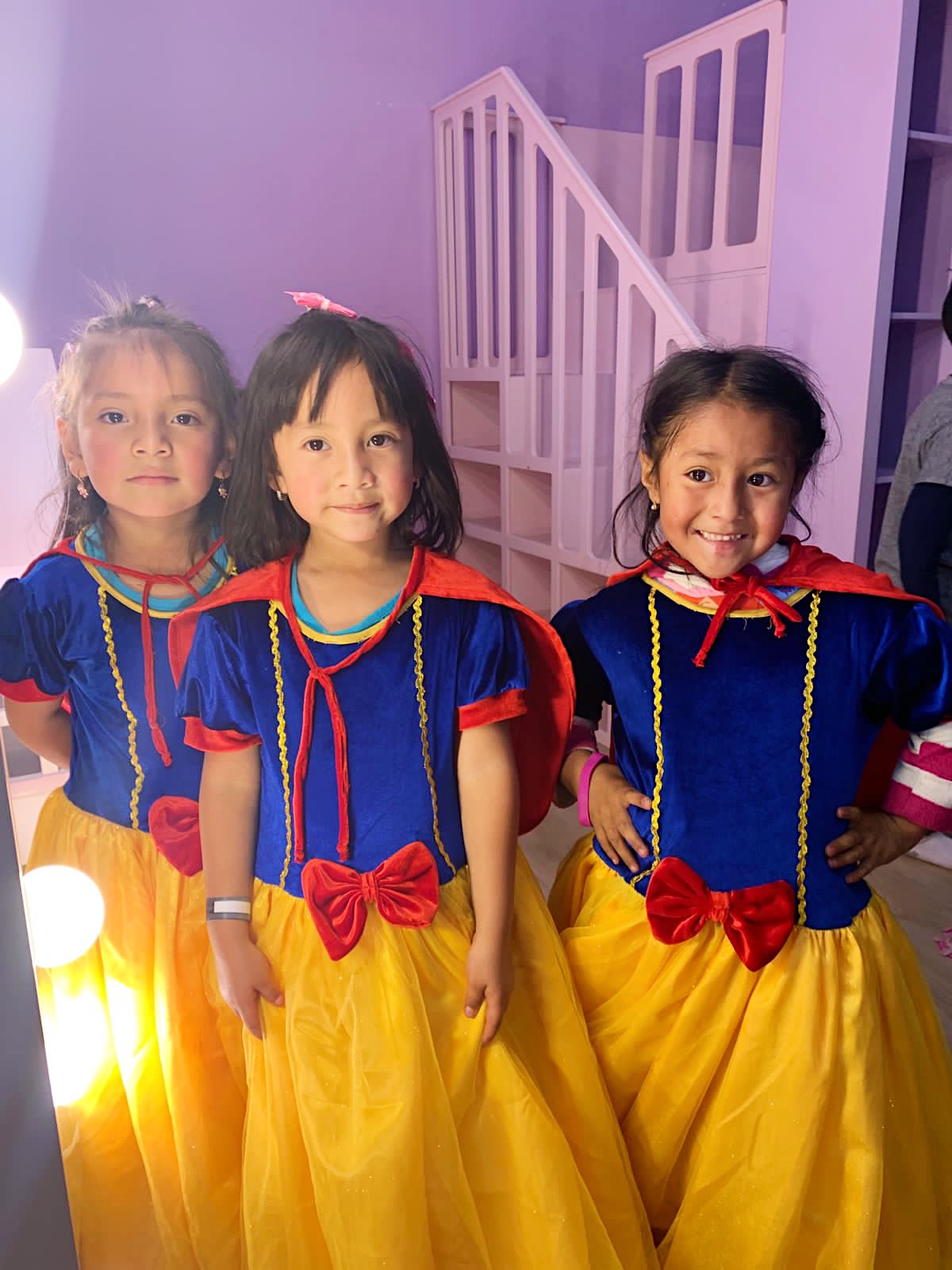
- Buen Pastor School
Pifo, Ecuador
Education - Casa de Dios
Pacoche, Ecuador
Community Development - Emmanual School
Macas, Ecuador
Education - For His Children
Quito, Ecuador
Orphanage - Nuevos Amigos Foundation
Quito, Ecuador
Education Program/Community Development - Pan de Vida
Quito, Ecuador
Street People Program - Quito Dump Program
Quito, Ecuador
Dump Program - Remanso de Amor
Quito, Ecuador
Education Program/Community Development
Partners / Programs in this country
About their culture
Ecuador’s mainstream culture is defined by its mestizo majority and, like their ancestry, is a mixture of European and Amerindian influences infused with African elements inherited from enslaved ancestors. Ecuador’s indigenous communities are integrated into the mainstream culture to varying degrees, but some may also practice their own autochthonous cultures, particularly the more remote indigenous communities of the Amazon basin. Spanish is spoken as the first language by more than 90% of the population and as first and second language by more than 98%. One part of Ecuador’s population can speak Amerindian languages, but just as a second language. Two percent of the population speaks only Amerindian languages because they have never attended school.
The Panama hat is of Ecuadorian origin, and is known there as “Sombrero de paja toquilla”, or a Jipijapa. It is made principally in Montecristi in the Province of Manabi. Its manufacture (particularly that of the Montecristi superfino) is considered a great craft.
Notable people born in Ecuador include painters Tábara, Guayasamín, Kingman, Rendón, Arauz, Constanté, Viteri, Molinari, Maldonado, Gutierrez, Endara Crow, Villacís, Egas, Villafuerte and Faini; Enrique Espín Yépez composer, violinist and conductor; animator Mike Judge; poet and statesman José Joaquín de Olmedo y Maruri, scholar Benjamín Urrutia, world traveler Claudia Velasco, and tennis player Pancho Segura.